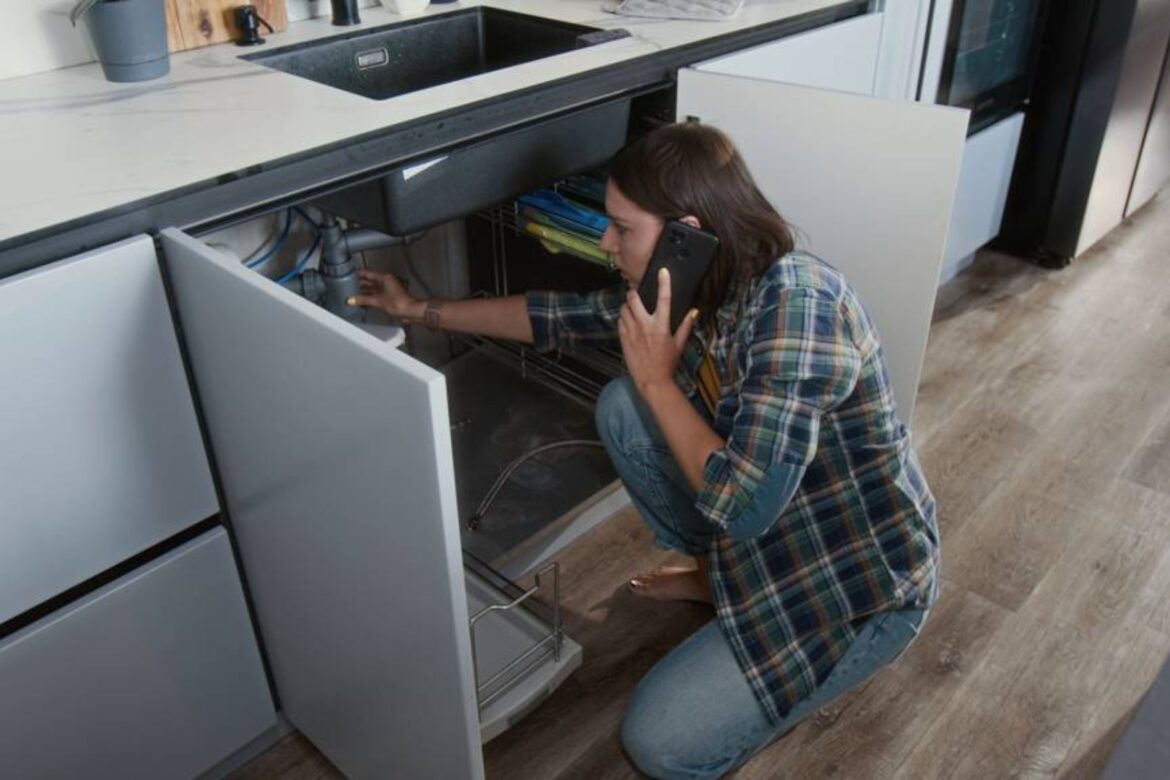
Most homeowners don't think much about their plumbing system until something goes wrong. We use sinks, showers, toilets, and appliances every day without giving them a second thought. But when a drain slows down, an overflowing toilet appears, or a sewer line backs up, plumbing suddenly becomes a top priority.
The good news is that many common plumbing problems can be avoided with a few simple preventative habits. By taking a proactive approach to drain maintenance, you can reduce the risk of costly repairs and keep your plumbing system working efficiently year-round.
1. Flush Your Drains Monthly
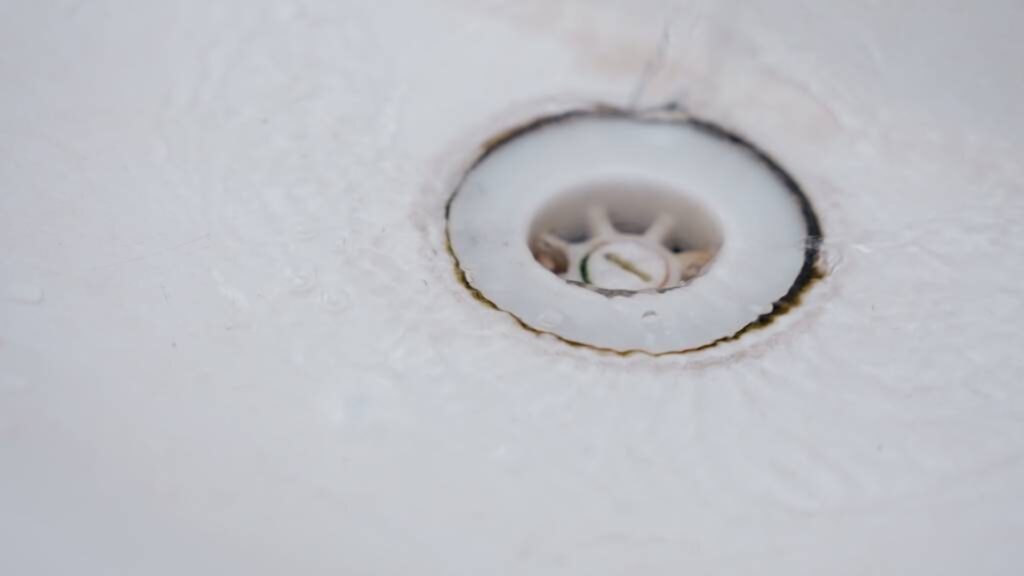
Over time, soap residue, grease, hair, and other debris can accumulate inside your pipes. This buildup gradually restricts water flow and can eventually lead to clogged drains.
Once a month, flush your drains using an enzyme-based cleaner that is safe for your pipes. Avoid harsh chemical drain cleaners, as they can damage your plumbing over time.
For a natural alternative, pour a mixture of baking soda and vinegar down the drain, let it sit for about 15 minutes, then rinse with hot water.
2. Never Pour Grease Down the Drain
One of the biggest causes of kitchen drain clogs is cooking grease and oil.
Although grease goes down the drain as a liquid, it cools and solidifies inside your pipes. As it hardens, it traps food particles and other debris, creating stubborn blockages.
Instead, allow grease to cool and dispose of it in a sealed container in the trash.
3. Install a Washing Machine Lint Trap
Your washing machine can release a surprising amount of lint during every load. Over time, that lint can build up inside your drain lines and contribute to clogs.
A simple mesh lint trap attached to the washing machine discharge hose can help prevent lint from entering your plumbing system and causing problems.
4. Brush Your Hair Before Showering
Hair is one of the leading causes of bathroom drain clogs. Brushing your hair before showering helps remove loose strands before they have a chance to wash down the drain.
If you bathe pets in your tub or shower, be especially careful. Pet hair can quickly create serious blockages due to its volume and thickness.
5. Keep Construction Materials Out of Your Drains
If you're working on a home improvement project, avoid rinsing tools coated with drywall compound, grout, cement, paint, or sand in your sink.
These materials can harden inside your pipes and create difficult blockages that often require professional drain cleaning services to remove.
6. Clean Sink Stoppers Regularly
Pop-up sink stoppers are excellent at catching debris, but they also collect soap scum, toothpaste, hair, and dirt.
Taking a few minutes to remove and clean your sink stoppers regularly can help prevent debris from entering your drain system and causing clogs.
7. Only Flush Toilet Paper and Human Waste
Many products claim to be "flushable," but that doesn't mean they're safe for your plumbing system.
Items that should never be flushed include:
- Wet wipes
- Paper towels
- Feminine hygiene products
- Cotton swabs
- Dental floss
- Facial tissues
These items do not break down properly and can create serious drain and sewer line blockages.
As a general rule, only toilet paper and human waste should be flushed down the toilet.
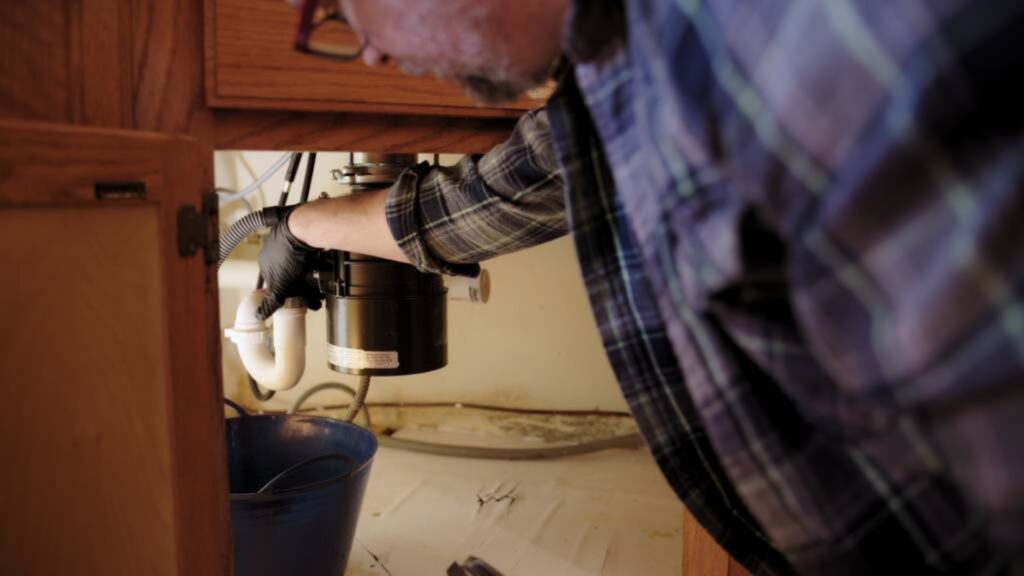
8. Use Your Garbage Disposal Correctly
Many homeowners assume their garbage disposal can handle anything. In reality, it's designed to process small amounts of food waste, not large quantities of scraps.
Avoid placing these items in your garbage disposal:
- Grease and cooking oils
- Pasta and rice
- Coffee grounds
- Eggshells
- Potato peels
- Fibrous vegetables such as celery
- Large food scraps
Using your disposal properly can significantly reduce the risk of kitchen drain clogs.
9. Install Drain Screens
One of the easiest and most affordable ways to prevent clogged drains is to install drain screens or drain guards.
Drain guards catch hair, food particles, and other debris before they enter your plumbing system. They're especially useful in busy kitchens, bathroom sinks, showers, and bathtubs.
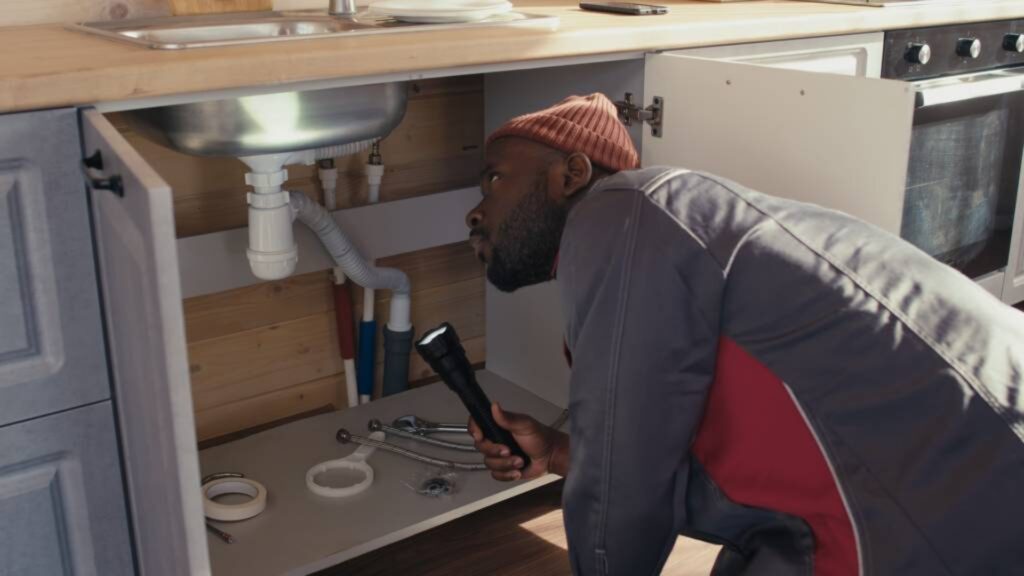
When to Call a Professional Plumber
Even with the best preventative maintenance, plumbing issues can still occur. If you notice slow drains, recurring clogs, foul odors, gurgling noises, or signs of a sewer backup, it's time to call a professional.
At St. Charles Plumbing Company, we provide expert drain cleaning, sewer services, leak repairs, water heater service, and complete residential and commercial plumbing solutions throughout St. Charles County and surrounding communities.
Whether you're dealing with a stubborn clog or want to schedule preventative maintenance, our experienced plumbers are ready to help.
Need Drain Cleaning in St. Charles?
Call St. Charles Plumbing Company today at 636-336-6744 for fast, reliable plumbing service. We'll help keep your drains flowing and your plumbing system operating at its best.